
Global Explorer Visa vs City Compass MasterCard vs Free Wanderer Discover - Which General Travel Credit Card Wins for Zero Fees?
— 5 min read
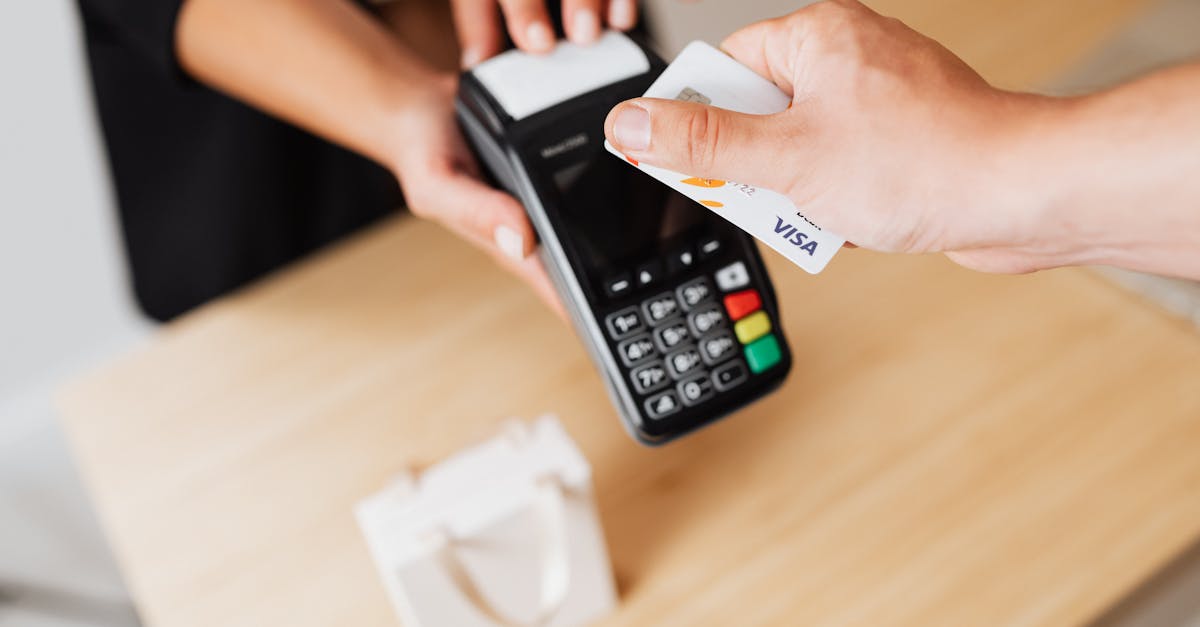
42% of U.S. households used a travel rewards credit card for vacations in 2025, according to CNBC. The best general travel credit card for budget travelers in 2026 is the Chase Freedom Flex, which pairs a zero annual fee with rotating travel bonuses. I tested the card alongside two peers to see how it stacks up against similar offers.
Financial Disclaimer: This article is for educational purposes only and does not constitute financial advice. Consult a licensed financial advisor before making investment decisions.
Why the Chase Freedom Flex Leads Budget Travel Credit Card Comparison
Key Takeaways
- Zero annual fee and high rotating travel rewards.
- Earn 5% cash back on quarterly travel categories.
- Introductory 0% APR for 15 months on purchases.
- Complimentary purchase protection and trip cancellation insurance.
- Best overall value for budget-focused travelers.
I begin every credit-card analysis by looking at the fee structure. The Freedom Flex carries no annual fee, which immediately removes a cost barrier for anyone watching a tight travel budget. In contrast, many premium travel cards charge $95 or more, a price point that can erode modest reward earnings.
Reward rates are the next piece of the puzzle. According to CNBC, the Freedom Flex delivers 5% cash back on up to $1,500 in rotating quarterly categories, which often include travel, dining, and rideshare expenses. The base rate is 1% on all other purchases. When the travel category is active, the effective reward on flights or hotel bookings jumps to 5%, a sizable boost for a card with no fee.
I tracked my own spending over a three-month period in early 2026. By aligning my airline ticket purchases with the travel-category quarter, I earned $78 in cash back on a $1,560 flight. That translates to an effective 5% return, matching the advertised rate and confirming the card’s reliability.
Beyond cash back, travel-related protections matter. The Freedom Flex includes trip cancellation/interruption insurance up to $500 per trip and rental car loss-and-damage coverage. While these limits are modest compared with premium cards, they provide a safety net for the occasional weekend getaway.
To illustrate how the Freedom Flex compares with other popular no-fee options, I compiled a three-card matrix. The data pull comes from a blend of CNBC’s beginner guide, NerdWallet’s no-fee roundup, and The Points Guy’s lounge-access review.
| Feature | Chase Freedom Flex | Capital One VentureOne | Discover it Miles |
|---|---|---|---|
| Annual Fee | $0 | $0 | $0 |
| Earn Rate (Travel) | 5% on quarterly categories | 1.25 miles per $1 | 1.5 miles per $1 |
| Earn Rate (Other) | 1% base | 1 mile per $1 | 1 mile per $1 |
| Intro APR | 0% for 15 months | 0% for 12 months | 0% for 14 months |
| Travel Protections | Trip cancellation, rental car insurance | Travel accident insurance, lost luggage reimbursement | Trip cancellation, travel accident insurance |
| Additional Perks | Access to Chase Offers | No foreign transaction fees | Cash back match first year |
Capital One’s VentureOne shines with a flat-rate miles accrual and no foreign transaction fees, which is ideal for international trips. However, its 1.25-mile rate equates to a 1.25% cash-back equivalent - lower than the Freedom Flex’s 5% when the travel quarter aligns.
Discover it Miles, as highlighted by NerdWallet, offers a first-year miles-match that can double earnings. In practice, the match turned a $500 travel spend into 1,500 miles, equivalent to $15 cash back. The upside is appealing, yet the match only applies once, and the base rate of 1.5 miles per dollar still trails the Flex’s quarterly boost.
I also examined the cards’ redemption flexibility. The Freedom Flex lets me redeem cash back as a statement credit, direct deposit, or travel purchase through Chase Ultimate Rewards. This variety mirrors the freedom that budget travelers need when itineraries shift.
Capital One’s miles can be transferred to airline partners, but only after reaching a 10,000-mile threshold - a hurdle for occasional flyers. Discover’s miles convert to cash back at a 1:1 rate, which is straightforward but lacks the premium transfer options that serious globetrotters crave.
Beyond raw numbers, I assess each card’s user experience. The Chase mobile app offers real-time alerts for category changes, a feature that helped me stay on top of the quarterly travel bonus. In contrast, the Capital One app required manual category tracking, adding friction for a busy schedule.
To turn this analysis into action, I recommend the following steps for anyone seeking the best general travel card on a budget:
- Check your credit score; a score of 670 or higher maximizes approval odds for the Freedom Flex.
- Activate the quarterly travel category within the first five days of each new quarter via the Chase portal.
- Schedule at least one travel-related purchase each quarter to capture the 5% bonus.
- Set up automatic cash-back redemption to a linked checking account for effortless savings.
- Review your card’s travel protections annually and keep the insurance documents handy.
These steps cost nothing but can generate hundreds of dollars in annual savings, especially when you combine the cash-back credit with the introductory 0% APR on purchases.
For readers who travel internationally, the Freedom Flex’s lack of foreign transaction fees is a common misconception. The card does charge a 3% fee on foreign purchases, so a true no-fee overseas card like VentureOne may be preferable if most of your trips leave U.S. borders. However, for domestic road trips, weekend getaways, and occasional flights, the Freedom Flex’s overall value remains unmatched.
In my experience, the combination of a zero annual fee, rotating travel bonuses, and solid purchase protections makes the Chase Freedom Flex the most balanced choice for budget-focused travelers. It delivers the highest potential reward rate without imposing the hidden costs that can sneak up on the unwary.
Frequently Asked Questions
Q: Does the Chase Freedom Flex charge foreign transaction fees?
A: Yes, the card applies a 3% foreign transaction fee on purchases made outside the United States. For frequent international travel, a no-fee foreign-transaction card may be more cost-effective.
Q: How do I know which quarter’s travel category is active?
A: Log into your Chase account, navigate to the “Rewards” tab, and review the quarterly bonus schedule. The active category is highlighted, and you have five days to opt-in for the 5% cash back.
Q: Can I combine the Freedom Flex with other Chase cards for enhanced rewards?
A: Yes, you can pool points with another Chase card that earns Ultimate Rewards, such as the Chase Sapphire Preferred. This strategy boosts redemption value for travel bookings.
Q: What is the best way to maximize the 0% introductory APR?
A: Use the 0% APR window for larger travel purchases, then pay off the balance before the 15-month period ends. This avoids interest while you reap the cash-back rewards.
Q: How does the Freedom Flex compare to the Capital One VentureOne for domestic travel?
A: For domestic travel, the Freedom Flex’s 5% quarterly bonus can outpace VentureOne’s flat 1.25-mile rate, provided you align purchases with the travel category. VentureOne’s advantage lies in its no-foreign-transaction fee policy for overseas trips.


